
How Many Eggs Does a Woman Have? A Detailed Guide to Ovarian Reserve, Fertility & Age
Every woman is born with a finite number of eggs. Unlike men, who produce sperm continuously throughout life, females are born with their complete lifetime supply of eggs. Over time, both the number and quality of these eggs decline, directly affecting fertility potential.
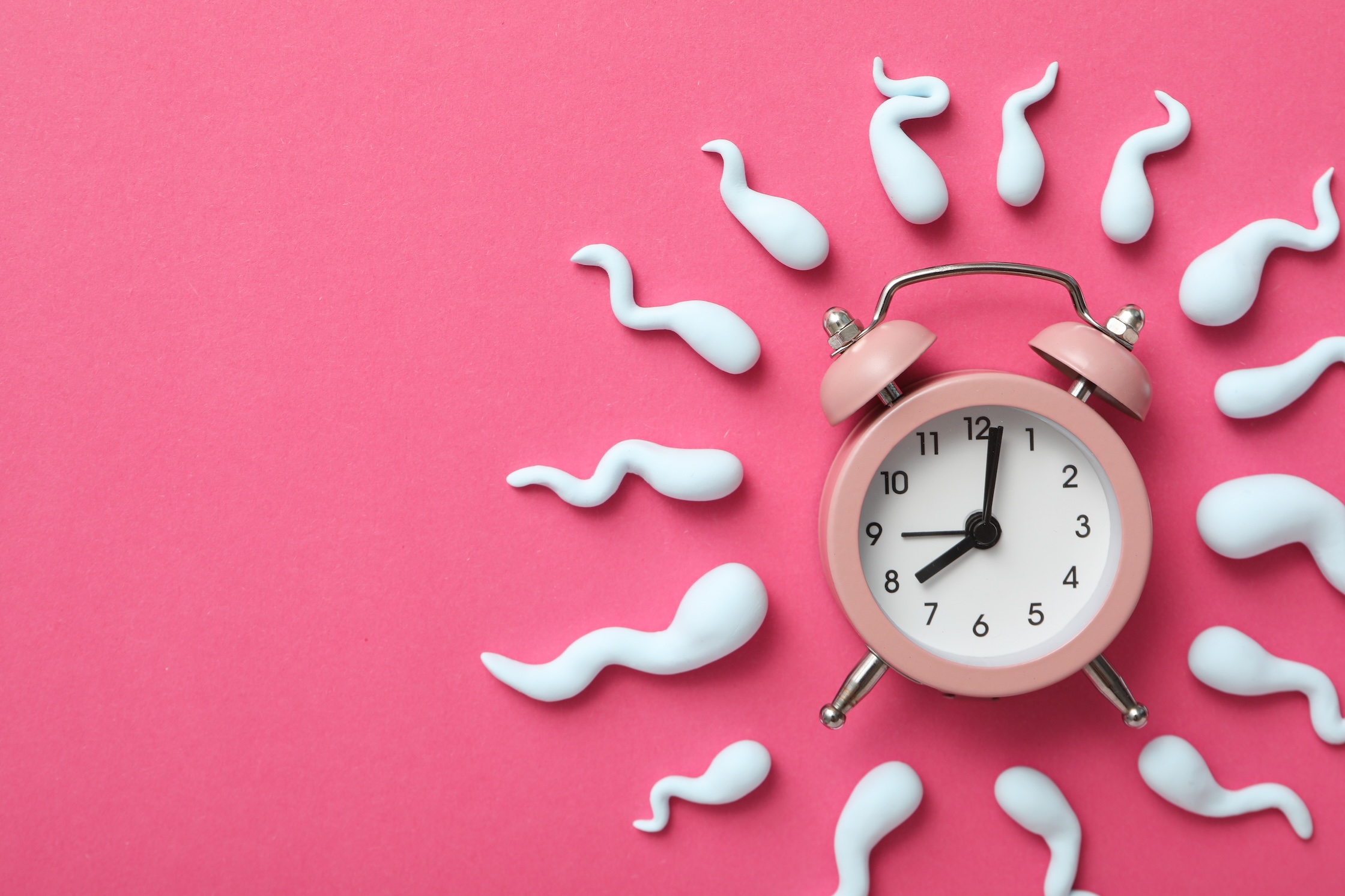
Understanding how many eggs a woman has at different stages of life can help with family planning, fertility preservation decisions, and reproductive health awareness.
How Many Eggs Does a Woman Have Before Birth?
Egg development begins during fetal life. A female fetus forms all of her eggs while still in the womb.
At around 20 weeks of gestation, the ovaries contain approximately 6 to 7 million primordial follicles. This is the highest number of eggs a female will ever have. After this point, the number begins to decline naturally through a process called atresia, which is the degeneration of immature follicles.
By the time a baby girl is born, she typically has about 1 to 2 million eggs remaining.
How Many Eggs Remain at Puberty?
Egg loss continues throughout childhood. By the time a girl reaches puberty and begins menstruating, she usually has approximately 300,000 to 500,000 eggs left in her ovaries.
Although this number may seem high, only a small fraction will ever mature and be ovulated during her reproductive lifetime.
How Egg Count Changes With Age
Egg quantity declines steadily with age, and the rate of decline accelerates after the mid-30s.
Approximate remaining egg numbers by age:
At age 20, around 100,000 eggs remain.
At age 30, approximately 12,000 to 50,000 remain.
At age 35, roughly 10,000 to 30,000 remain.
At age 40, the number drops to around 3,000.
By age 45, fewer than 1,000 eggs may remain.
These are averages, and individual variation can be significant.
How Many Eggs Does a Woman Ovulate in Her Lifetime?
Despite being born with millions of eggs and entering puberty with hundreds of thousands, a woman typically ovulates only about 300 to 500 eggs in her lifetime.
During each menstrual cycle, multiple follicles begin to develop, but usually only one becomes dominant and releases an egg during ovulation. The remaining follicles from that cycle naturally degenerate.
This explains why egg quantity declines much faster than the number of ovulations alone would suggest.
Egg Quantity vs Egg Quality
Egg quantity refers to the number of eggs remaining in the ovaries. Egg quality refers to whether those eggs are genetically normal and capable of producing a healthy embryo.
Both decline with age, but egg quality declines more dramatically after age 35.
In a woman’s early 20s, the majority of eggs are chromosomally normal. By age 40, a significant proportion of eggs may carry chromosomal abnormalities. By ages 42 to 44, studies suggest that 80 to 90 percent of eggs may be chromosomally abnormal.
This increase in abnormal eggs contributes to reduced fertility, higher miscarriage rates, and lower success rates with natural conception and IVF.
When Does Egg Supply End?
Menopause marks the end of natural reproductive capability. It is defined as 12 consecutive months without a menstrual period.
The average age of menopause is 51 years, though it can occur earlier or later. By menopause, the ovarian reserve is extremely low, and the ovaries no longer regularly release eggs or produce sufficient reproductive hormones.
The transition phase before menopause, known as perimenopause, can begin in the late 30s or 40s and is associated with hormonal fluctuations and irregular cycles.
How Doctors Measure Ovarian Reserve
It is not possible to directly count all remaining eggs, but doctors can estimate ovarian reserve using several clinical tests.
Anti-Müllerian Hormone (AMH) is one of the most reliable markers. It is produced by small developing follicles. Higher AMH levels generally suggest a higher remaining egg supply. In women aged 20 to 25, AMH levels often range from 3.0 to 4.0 ng/mL or higher. By ages 35 to 39, levels may decrease to 1.0 to 2.0 ng/mL. After age 40, AMH frequently falls below 1.0 ng/mL.
Antral Follicle Count (AFC) is measured via transvaginal ultrasound and counts small follicles visible at the beginning of the menstrual cycle. A higher count suggests better ovarian reserve.
Follicle-Stimulating Hormone (FSH) is measured on day 2 or 3 of the menstrual cycle. Elevated FSH can indicate reduced ovarian reserve.
Estradiol (E2) is often tested alongside FSH. Abnormally high early-cycle estrogen levels can sometimes mask elevated FSH and indicate diminished reserve.
These tests estimate remaining egg supply but cannot precisely predict a woman’s ability to conceive naturally.
Fertility Rates by Age
While egg count and quality decline gradually, fertility rates show measurable changes over time.
In the early to mid-20s, the chance of conception per menstrual cycle is approximately 20 to 25 percent. By age 35, the monthly probability decreases to around 15 percent. At age 40, the chance per cycle may fall to about 5 percent. After age 45, natural conception rates are generally below 1 to 2 percent per cycle.
These numbers represent population averages; individual outcomes vary.
Can Lifestyle Affect Egg Count?
A woman cannot increase her total egg number, but certain factors can accelerate or slow ovarian aging.
Smoking is strongly associated with faster egg depletion and earlier menopause. Chemotherapy and radiation can significantly damage ovarian tissue. Ovarian surgery may also reduce egg count.
Maintaining a healthy body weight, balanced nutrition, regular physical activity, and adequate sleep supports hormonal health but does not increase egg quantity. These factors may improve ovulatory function and overall reproductive outcomes.
Egg Freezing and Fertility Preservation
Egg freezing, also known as oocyte cryopreservation, allows women to preserve eggs for future use.
The process involves hormonal stimulation to mature multiple eggs, retrieval under light anesthesia, and freezing using rapid vitrification techniques.
Success rates depend heavily on age at freezing. Women under 35 generally achieve the highest success rates when using frozen eggs later. Success rates gradually decline for women who freeze eggs after age 38, though pregnancy is still possible.
Egg freezing does not stop ovarian aging, but it preserves eggs at the age they were retrieved.
Key Numbers to Remember
At 20 weeks in utero, approximately 6 to 7 million eggs are present.
At birth, about 1 to 2 million remain.
At puberty, around 300,000 to 500,000 remain.
At age 30, roughly 25,000 to 50,000 remain.
At age 40, about 3,000 remain.
Over a lifetime, only 300 to 500 eggs are ovulated.
Final Thoughts
Women are born with a fixed number of eggs, and both egg quantity and quality decline naturally with age. The most significant fertility changes typically occur after age 35, with a sharper decline after age 40.
Understanding these biological realities can help women make informed decisions about family planning, fertility testing, and egg freezing. While numbers provide helpful averages, every woman’s reproductive timeline is unique, and consultation with a fertility specialist offers the most personalized insight.