
Sperm Donation: Everything You Need to Know Before Donating
Sperm donation is a medical process that allows individuals and couples to conceive using donor sperm. Whether you are considering donating or researching the process, understanding the medical requirements, legal protections, compensation, and long-term implications is essential. This guide will walk you through everything you need to know.
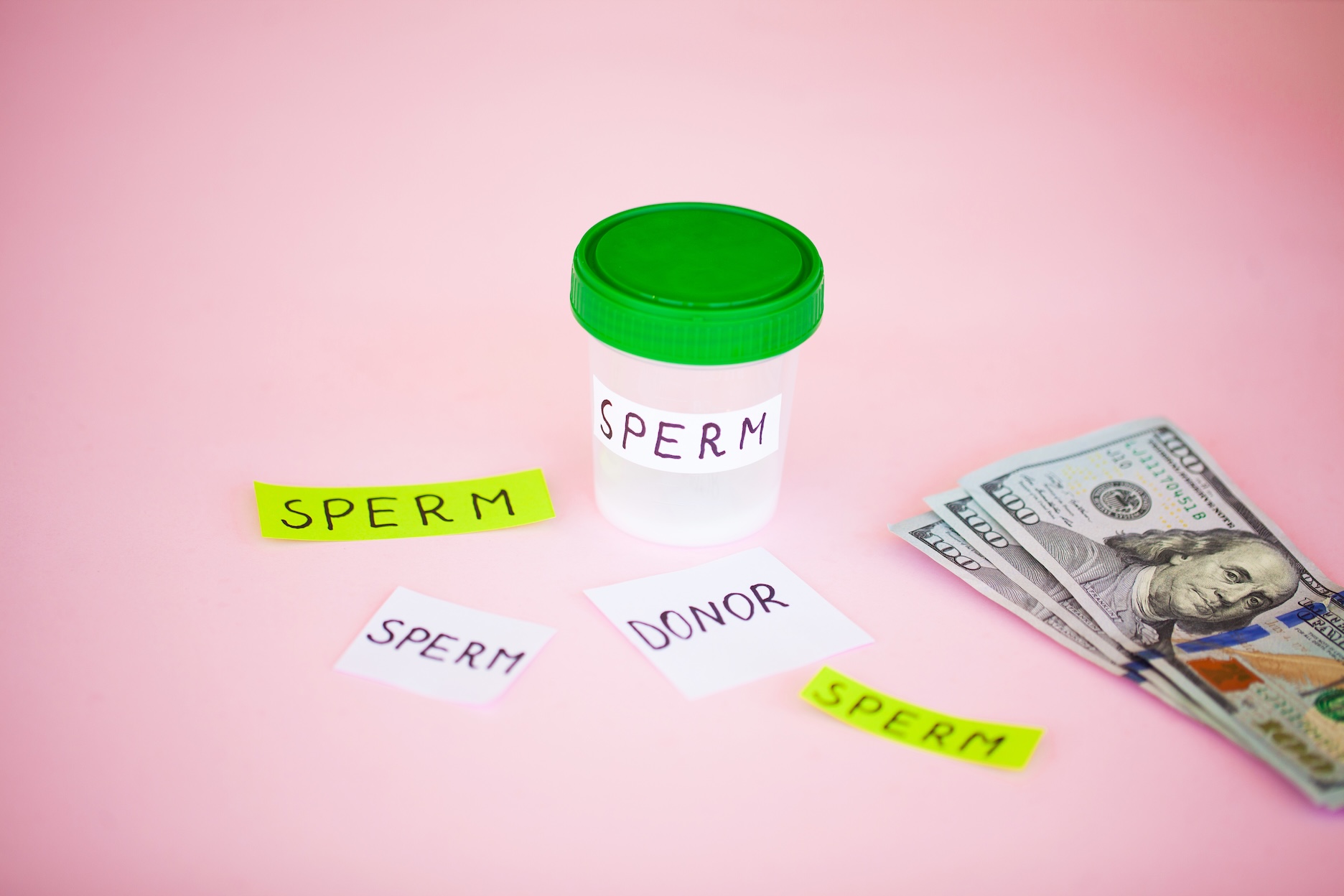
What Is Sperm Donation?
Sperm donation involves voluntarily providing semen to a licensed fertility clinic or sperm bank. The sperm is processed, frozen, and later used in fertility treatments such as intrauterine insemination, in vitro fertilization, or intracytoplasmic sperm injection. Donor sperm helps heterosexual couples experiencing male infertility, single women, and LGBTQ+ families achieve parenthood.
Who Can Become a Donor?
Most sperm banks require donors to be between 18 and 39 years old, in excellent health, and without significant hereditary conditions. Donors are generally preferred if they have a healthy body weight, do not smoke, and have strong semen analysis results. Despite interest in donating, many applicants do not qualify. In fact, studies show up to 60–70% of candidates are rejected during the screening process.
The Donation Process
Becoming a sperm donor is more than giving a single sample. Applicants first complete a detailed medical and lifestyle questionnaire, including personal and family health history. Donors undergo semen analysis to assess sperm concentration, motility, and morphology. The World Health Organization sets normal sperm concentration at 15 million per milliliter, but donor programs often prefer higher counts.
Screening also includes infectious disease tests for HIV, hepatitis B and C, and syphilis. Genetic carrier screening may test for conditions like cystic fibrosis or spinal muscular atrophy. Once approved, donors typically make multiple visits over several months to provide consistent samples.
Compensation for Donors
Compensation varies by country and clinic. In the United States, donors generally earn between $50 and $150 per approved donation, with bonuses for long-term commitment or exceptional semen quality. In Canada and many European countries, compensation is often limited to covering expenses. While donors are paid, sperm donation is rarely a source of substantial income.
Potential Impact of Your Donation
A single donation can produce multiple vials of sperm, often enough for ten to twenty or more uses. Depending on regulations, one donor may biologically father several children across different families. In the United States, sperm banks often limit a donor’s sperm to ten to twenty-five families within a geographic region to reduce genetic overlap.
Anonymous vs Identity Release Donation
Donation programs may be anonymous or identity-release. In anonymous donation, your identity is not shared with recipients or offspring. In identity-release programs, donor-conceived individuals can access your information once they reach adulthood, usually at 18. With modern DNA testing, true anonymity cannot be guaranteed.
Legal Rights and Responsibilities
Donors in regulated clinic-based programs typically have no parental rights or financial responsibilities, and signed legal agreements protect both the donor and recipient. Laws vary by country and state, so private arrangements outside licensed clinics may carry legal risk. Reviewing all legal documentation is essential before donating.
Emotional and Practical Considerations
While sperm donation is generally safe, it can have emotional consequences. Donors may feel differently about the existence of biological children and the possibility of future contact. The process also requires a time commitment and repeated visits. Screening can be selective, and not all applicants are accepted.
Is Sperm Donation Right for You?
Sperm donation can be a generous, meaningful, and life-changing choice. It allows families to achieve parenthood while offering donors compensation and the satisfaction of helping others. Before committing, consider the medical screening, legal aspects, compensation structure, and emotional impact. Being informed ensures a positive experience for both donors and families.